


BLOGS

What Are Extension Springs: A Complete Beginner’s Guide
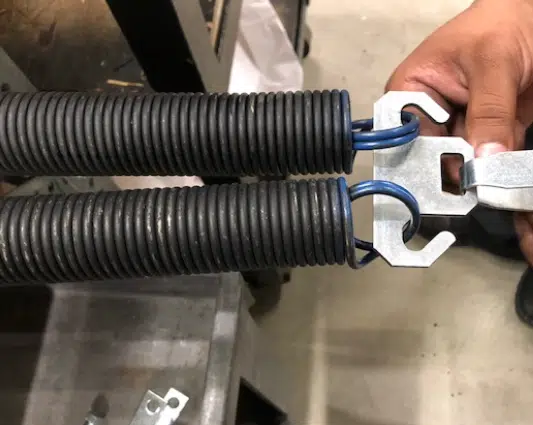
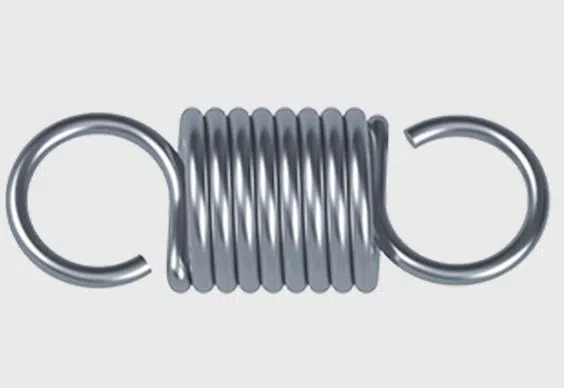
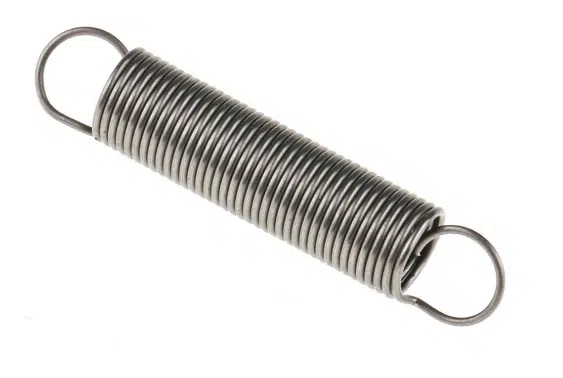
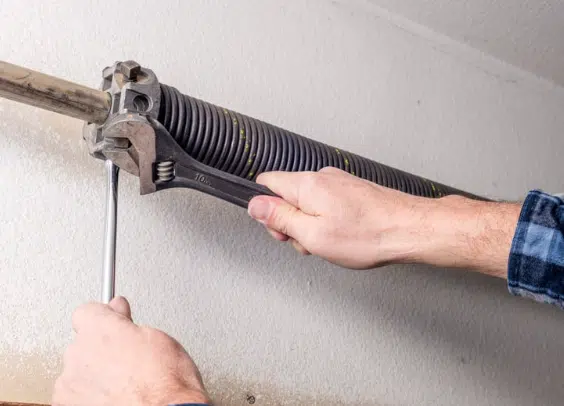
Discover what extension springs are, how they function, and their applications in the automotive and manufacturing industries! Extension springs are long, tightly coiled springs that stretch when pulled and snap back when released. They’re made of strong metal and have hooks or loops on both ends. These springs are found in garage doors, screens, toys, and machines that need pulling force to work correctly. So, what are extension springs for beginners? They help things move by pulling two parts together. When stretched, they build up energy and return to shape when the force stops. These springs are simple but functional, making them important for many tools, devices, and everyday equipment that need safe, smooth motion. Extension springs stretch when you pull them and hold energy. When you stop pulling, they go back to their standard shape. The more you stretch them, the more force they make, but only up to a certain point. Initial tension is the force needed to start stretching an extension spring. You have to apply this force before the spring begins to move. It keeps the spring tight when not in use, helping it work better and stay safe. Load capacity is the maximum force an extension spring can handle without bending or breaking. If you go over this limit, the spring may get damaged. Always check the spring’s load rating to ensure it fits your needs. The type of material and number of coils affect how strong and flexible an extension spring is. Strong metals like steel and more coils usually mean better performance. These features help you pick the right spring for your project. What Are Extension Springs? They come in various designs, each suited for different purposes. Below are some common types: Standard extension springs have coils spaced evenly and hooks or loops at both ends. They are used in things like garage doors, trampolines, and machines. This type of extension spring is simple, strong, and works well for many everyday tasks. Double-loop extension springs have two loops at each end. These loops give a better grip and hold. They are used in farm tools and cars. This extension spring is suitable for heavy jobs and helps keep parts safely in place. Conical extension springs are wider on one end and smaller on the other. This shape helps change the force while stretching. These springs are often used in small tools and medical items where soft, smooth movement is needed from an extension spring. Variable pitch extension springs have coils spaced in different ways. This helps the spring initially give soft tension, then a stronger pull later. These extension springs are great for tools or machines needing more control when moving parts. Extension springs are found in numerous industries because they provide controlled tension. Some of their most common applications include: Extension springs help cars move. They are found in brakes, seat belts, and gas pedals. Each extension spring helps these parts work smoothly and safely while the vehicle is running. Many home appliances need an extension spring to work properly. Washing machines, fridges, and garage doors use springs to move or hold parts. These springs help your home tools last longer and work without problems. In big machines, an extension spring helps keep parts moving the right way. They keep belts tight and parts working well. These springs help machines run better and avoid excessive force or pressure damage. Planes and rockets use small extension springs to control parts. These springs help with flying, aiming, and moving safely. A strong extension spring ensures everything works right in planes, satellites, and other flying machines. Some medical tools use tiny extension springs to help with movement. These springs are found in surgery tools and rehab machines. An extension spring helps these tools work gently and carefully for doctors and patients. The performance of an extension spring depends heavily on the material used in its construction. Common materials include: Stainless steel extension springs are strong and resist rust. They work well in wet or rough places. These springs are often used in medical tools and boats because they last long and don’t break easily over time. Music wire is a strong material used in machines and tools. An extension spring made from music wire can stretch many times without losing its shape. It’s great for jobs that need strong, long-lasting pulling force. Phosphor bronze is used when an extension spring needs to bend often without breaking. It also carries electricity, so it’s perfect for springs in electric parts like switches and connectors that move a lot. Inconel is a metal that can handle very high heat. Extension springs made from Inconel are used in planes, engines, and other hot areas. They keep working even when things get extremely hot or tough. Extension springs offer several advantages, making them indispensable in mechanical design: An extension spring stores and releases energy with little waste. This means it can help machines work better without using extra power. It’s a smart way to save energy and keep things moving smoothly and easily. The coiled shape of an extension spring saves space. It fits well in small or tight spots while still doing its job, making it great for devices or machines that need strong pulling power in small spaces. An extension spring can be made in many sizes, shapes, and strengths. You can pick the right material and design to match your needs. This makes it useful for many tools, machines, or special projects. An extension spring is a smart, low-cost solution. It lasts a long time and doesn’t break easily. Compared to other parts that stretch or pull, it’s more affordable and needs less fixing or replacing over time. While extension springs are designed for tension, other springs serve different purposes: A compression spring works the opposite of an extension spring. It gets shorter when pushed. You can find it in pens, chairs, and machines. It helps make things better when the pressure is removed. Torsion springs work by twisting, not pulling like an extension spring. They are used in clothespins, garage doors, and door hinges. When turned, they store energy and release it to help parts move back. Constant force springs give a steady pull over a distance. Unlike an extension spring that pulls harder the more you stretch it, this spring stays the same. It’s used in seat belts, tape measures, and badge holders. Selecting the appropriate extension spring involves considering several factors: Before choosing an extension spring, know how much force it needs to handle. If the load is too heavy, the spring can stretch too far or break. Pick one that matches your tool or machine’s needs. Think about where the extension spring will be used. If it’s exposed to water, heat, or chemicals, choose a material that won’t rust or break down. This helps the spring last longer and work better. Extension springs can have hooks, loops, or threaded ends. Pick the right one based on how you’ll attach it. The end type helps the spring stay in place and work properly without slipping or coming loose. The material of the extension spring matters a lot. Some jobs need strong metal, while others need rust-proof options. Always match the spring’s material to the job so it can handle the work and last longer. An extension spring is found in garage doors. It stretches when the door closes and pulls back when the door opens. These springs can be found in trampolines, screen doors, and toys. They work by pulling back when stretched. Springs extend when you pull on them. They stretch to hold energy. When you let go, they pull back to their standard shape. This helps move things or lift them. You see this in garage doors, screen doors, and other tools with springs. Compression springs are used to push back when squeezed. They are found in pens, car shocks, beds, and tools. When pressed, they store energy. When released, they return to shape and help control movement or take in pressure from bumps or weight. A spring can help move things, hold energy, or take pressure. Springs are used in garage doors, pens, cars, beds, and toys. They stretch or squeeze to help items work better, move smoothly, or return to their usual spot. A spring is used to make things move or return to their place. It helps tools, machines, and toys work. You can find springs in garage doors, pens, and beds. They stretch or press in, then return to shape to help things work properly. Understanding “What Extension Springs Are” is key to working with tools or machines that need smooth, controlled motion. These springs are vital for safe, efficient performance, especially in systems like garage doors, where strong, reliable movement is necessary. Extension springs, from garage doors to factory machines, play a big role in smooth operation. They may look simple, but they carry heavy loads and support safety. We also provide expert advice and garage door repair service to ensure everything runs as it should. Doorways in Gulfport is your trusted source for quality springs and support. Whether upgrading or needing help choosing the right part, our team is here to help. Contact us today to get the right extension spring for your needs. If you need a trusted company for the best garage door opener, Doorways in Gulfport is here to help. We offer strong, smooth-working openers that last long. Our team is ready to help with new installations or upgrades. Visit our website to see the best choices for your home. We also provide top-quality residential garage doors and commercial overhead doors. These doors are made to handle daily use and improve the look of any space. Learn more on our About Us page or explore helpful tips on our blog. Stay updated by following us on Facebook and YouTube for the latest news, product videos, and helpful tips. To join our growing team, check out the open positions on our careers page. For service or product help, visit our Contact Us page.
How Do Garage Door Extension Springs Work
1. Initial Tension
2. Load Capacity
3. Material and Coil Count
Types of Garage Door Extension Springs
1. Standard Extension Springs
2. Double-Loop Extension Springs
3. Conical Extension Springs
4. Variable Pitch Extension Springs
Top Applications of Garage Door Extension Springs
Automotive Industry
Household Appliances
Industrial Machinery
Aerospace & Defense
Medical Devices
Materials Used in Garage Door Extension Springs
1. Stainless Steel
2. Music Wire
3. Phosphor Bronze
4. Inconel
Benefits of Using Garage Door Extension Springs
1. Energy Efficiency
2. Compact Design
3. Customizability
4. Cost-Effective
Garage Door Extension Springs vs. Other Spring Types
1. Compression Springs
2. Torsion Springs
3. Constant Force Springs
How to Choose the Right Garage Door Extension Spring
1. Load Requirements
2. Environmental Conditions
3. End Configurations
4. Material Selection
Frequently Asked Questions
What Is an Example of an Extension Spring?
Why Do Springs Extend?
What Are Compression Springs Used For?
What Can a Spring Be Used For?
What Is Spring Used For?
Conclusion
End Note
Popular Posts


Contact us today
How Can We Help?
Why choose Patrick Allen Companies? Enjoy attractive benefits and a company culture that lets you thrive.