


BLOGS

8, 9, or 16 Feet? Discover the Garage Door Width That’s Perfect for Your Home!
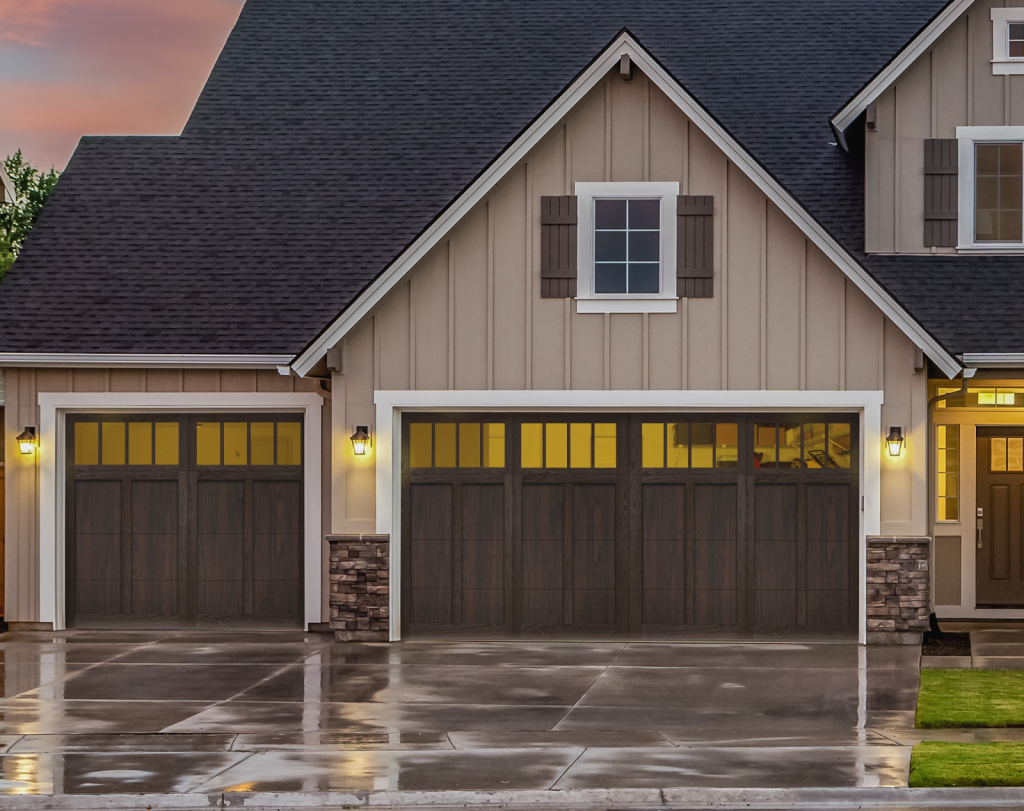
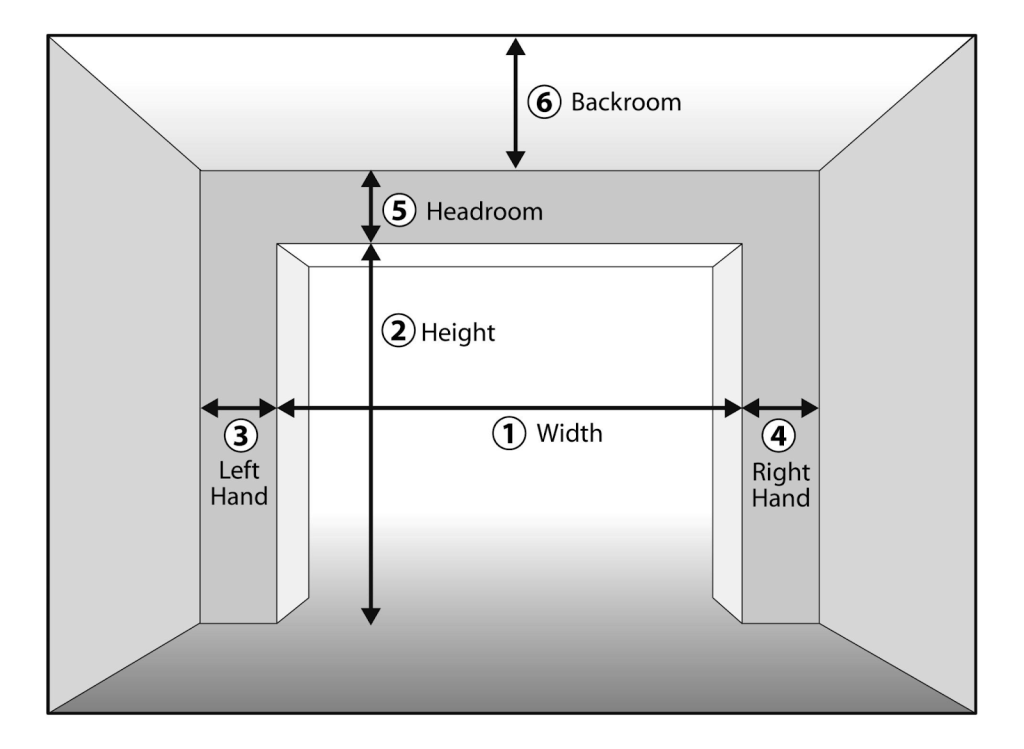
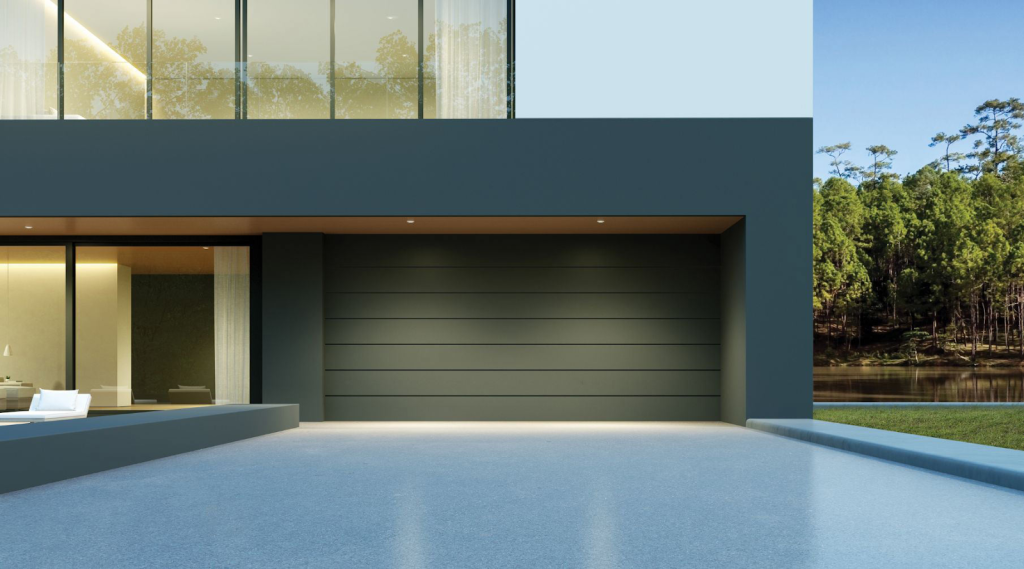
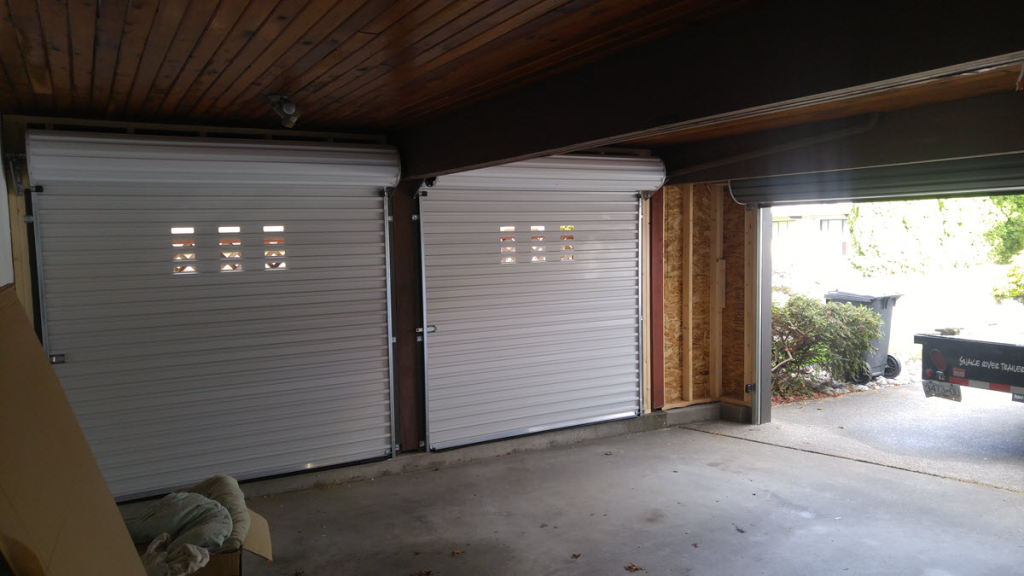
The typical width for single-car garages ranges from 8 to 9 feet, enough to comfortably fit most vehicles. Meanwhile, double-car garages usually feature a 16-foot door, providing ample space for two cars and more maneuverability. If you have unique needs, like an oversized vehicle or extra storage space, custom widths can offer the ideal solution tailored to your situation. Thinking of upgrading or building anew? This guide covers everything from measuring for accuracy to understanding how different widths can impact your home’s value and functionality. Keep reading to learn how to choose a garage door width that suits your current needs and plans. Garage doors come in various standard widths to suit different needs and garage types. Understanding these sizes is the first step in selecting the right door for your home. The standard width for a single-car garage door is 8 to 9 feet. This width comfortably fits most cars, SUVs, and small trucks. An 8-foot door is suitable for smaller vehicles and limited garage space, while a 9-foot door provides more room for maneuvering and accommodates slightly larger vehicles. Double-car garage doors typically measure 16 feet in width. This size is designed to fit two vehicles side-by-side with enough room to open doors and move around comfortably. This is a popular choice for homes with larger driveways or more spacious garages as it offers more flexibility and ease of access. Custom garage door widths can accommodate specific needs, such as RVs, trailers, or specialized storage. These doors range from 18 feet wide for larger vehicles to 20 feet or more for additional functionality. While these doors are more expensive, they offer a tailored solution for unique garage setups. Selecting the right width for your garage door involves more than just choosing a standard size. Several factors can influence the best choice for your situation. One of the most important factors is the size and number of vehicles you plan to store in the garage. If you have a single car, an 8—or 9-foot-wide door may suffice. However, a double-car garage door of 16 feet or more would be a better option if you have two vehicles or a larger vehicle like a truck or SUV. Consider how you plan to use your garage. If you use it for more than parking—such as storage, a workshop, or a home gym—you might need extra width to move around comfortably. In these cases, opting for a wider door can provide better accessibility and convenience. Think about your future needs as well. If you plan to purchase a larger vehicle or convert your garage into a multi-purpose space, choosing a slightly wider door now can save you from costly renovations later. A wider door offers greater flexibility for growing families or those who frequently change vehicles. Check your local building codes and homeowners association (HOA) guidelines. Some communities restrict garage door sizes and styles to maintain a uniform look. Ensuring your door complies with these regulations can prevent legal issues and costly changes. Accurate measurements are essential for choosing the correct garage door width. Here’s a step-by-step guide to ensure you get the right size. Measure the width of your garage door opening at the widest point. Start from one side of the frame to the other, measuring at multiple points to account for any irregularities. This will help you choose a door that fits snugly into the opening. While width is crucial, don’t overlook the opening’s height. Measure from the floor to the top of the frame. Standard heights are 7 or 8 feet, but you can opt for custom heights if you need more clearance for taller vehicles. Headroom is the space between the top of the door opening and the ceiling. This space is necessary for the garage door to operate properly. Most systems require at least 12 inches of headroom, but some specialized doors can work with less. The side room is the space between the door opening and the walls on either side. Standard installations require at least 3.5 inches of side room for the tracks. Consider a custom door or system designed for tight spaces if you have less space. The backroom is the space from the garage door opening to the back wall of the garage. This area should be at least the height of the door plus 18 inches. An adequate backroom is essential for the door to open and close without obstruction fully. The width of your garage door can significantly affect your home’s value and how you use your garage. Here’s how: Wider garage doors make it easier to park and access your vehicles. This is particularly useful for households with multiple drivers or larger vehicles. With a wider door, you can easily maneuver your car in and out, reducing the risk of dents and scratches. A wider garage door provides more flexibility for using your garage space. Whether you’re storing gardening tools or bikes or using part of your garage as a workshop, a wider door makes it easier to access items and navigate the space. A well-proportioned garage door can enhance the overall appearance of your home. Double-car doors, in particular, offer a balanced look that can increase curb appeal and make your home more attractive to potential buyers. Homes with spacious, accessible garages are often more appealing to buyers. A wider garage door can be a selling point, especially in neighborhoods where parking is limited, or larger vehicles are common. Investing in the correct door width can add value to your property. Different types of garage doors work better with certain widths. Understanding your options can help you choose a door that complements your home and meets your functional needs. Sectional garage doors are made of several horizontal panels that slide up and over the garage ceiling. They are ideal for wider openings as they provide a smooth operation and efficient use of space. They are the most popular choice for residential garages and work well with standard and custom widths. Roll-up doors are commonly used in commercial settings but can also be a good choice for residential garages with limited headroom. They consist of small slats that roll up into a compact coil, making them perfect for narrow garages or those with minimal ceiling space. Side-hinged doors open outward like traditional doors. They are less common in modern homes but can be an excellent option for garages that double as workshops or storage spaces. These doors can be made to fit various widths, making them a versatile choice for custom garage setups. Tilt-up garage doors are a single, solid piece that tilts up into the garage. They require more space in front of the garage but offer a clean, seamless look. They are suitable for wider garages and can be customized to fit unique dimensions. Custom garage door widths are an excellent option for those with unique needs or specific preferences. Here are some situations where a custom width might be the best choice: If you own an RV, boat, or large truck, a custom width door can provide the clearance you need. Standard doors may not be sufficient, and a custom solution ensures your vehicle fits comfortably. For homes with distinctive architecture, custom garage doors can be designed to complement the style and dimensions of the property. This can enhance both the functionality and aesthetics of the home. If you use your garage for multiple purposes—such as a home gym, workshop, or storage area—a custom width can make it easier to move large items in and out, improving the space’s overall utility and convenience. In the UK, standard single garage doors are usually around 7 to 8 feet wide. Double garage doors typically range from 14 to 16 feet in width, providing enough space for two vehicles. The standard size for a single garage door is usually 9 feet wide and 7 to 8 feet tall. Double garage doors are typically 16 feet wide and 7 to 8 feet tall, providing enough space for two vehicles. A typical single-car garage is around 12 feet wide, while a double-car garage is usually about 20 to 24 feet wide. This allows sufficient space for the vehicle(s) and some storage. The rough opening for a standard garage door is generally the same width as the door itself, with an additional half-inch on each side for fitting. For a 9-foot wide door, the opening would be approximately 9 feet, 1 inch. The radius of a garage door refers to the curve in the track that allows the door to transition from vertical to horizontal. Common track radii are 12, 15, and 20 inches, with 12 inches being standard for residential doors. Choosing the right garage door width is a critical decision that affects your home’s functionality, aesthetics, and value. Whether you’re opting for a standard single or double-car door, or considering a custom width for specific needs, it’s essential to take accurate measurements and think about your long-term requirements. A wider garage door can provide better access, more storage options, and increased curb appeal, making it a smart investment for any homeowner. In summary, your garage door width should align with your current and future needs, vehicle size, and how you plan to use the space. By carefully considering these factors, you can select a door that not only enhances the functionality of your garage but also adds to the overall appeal and value of your home. Investing in the right garage door width is not just about convenience—it’s about creating a versatile and welcoming space that suits your lifestyle and adds lasting value to your property. At Doorways, we understand that garage door width is more than just a number—it’s a key factor in your home’s accessibility and functionality. Whether you’re looking for a sleek, modern residential garage door from our extensive Garage Door Collection, or need expert service and repair, we’ve got you covered. For homeowners, we also provide garage door openers, parts, and accessories to keep your door running smoothly. For businesses, we offer an impressive range of commercial doors and equipment, including robust overhead doors, secure fire doors, and versatile glass doors. Need specialized solutions? Our loading dock equipment and specialty products cater to unique commercial needs. Explore our Commercial Services to see how we can enhance your business’s security and efficiency. Curious about who we are or interested in joining our team? Visit our About Us and Careers pages. If you have any questions, feel free to reach out via our Contact Us page. And don’t forget to check out our latest tips and updates on our Blog. Ready to find the perfect garage door width for your home or business? Let’s open the door to endless possibilities together!
 Garage Door Width is a vital aspect to consider when planning or updating your garage. The right width impacts everything from parking ease to storage possibilities and can enhance your home’s curb appeal. Whether parking a single car or needing space for two, knowing the best size for your needs can save you a lot of hassle in the long run. This guide will take you through standard sizes, custom options, and tips for choosing the perfect width for your garage.
Standard Garage Door Widths
Single-Car Garage Doors
Double-Car Garage Doors
Custom and Oversized Garage Doors
Factors to Consider When Choosing Garage Door Width
Vehicle Size and Number
Garage Functionality
Future Needs
Local Building Codes and Restrictions
Measuring for Garage Door Width
Step 1: Measure the Width of the Opening
Step 2: Check the Height
Step 3: Evaluate the Headroom
Step 4: Measure the Side Room
Step 5: Assess the Backroom
Impact of Garage Door Width on Home Value and Functionality
Improved Accessibility
Enhanced Storage and Multi-Purpose Use
Increased Curb Appeal
Higher Resale Value
Choosing the Right Type of Garage Door for Your Width
Sectional Garage Doors
Roll-Up Garage Doors
Side-Hinged Garage Doors
Tilt-Up Garage Doors
Pros and Cons of Different Garage Door Widths
Pros of Single-Car Garage Doors
Cons of Single-Car Garage Doors
Pros of Double-Car Garage Doors
Cons of Double-Car Garage Doors
Custom Garage Door Widths: When and Why to Consider Them
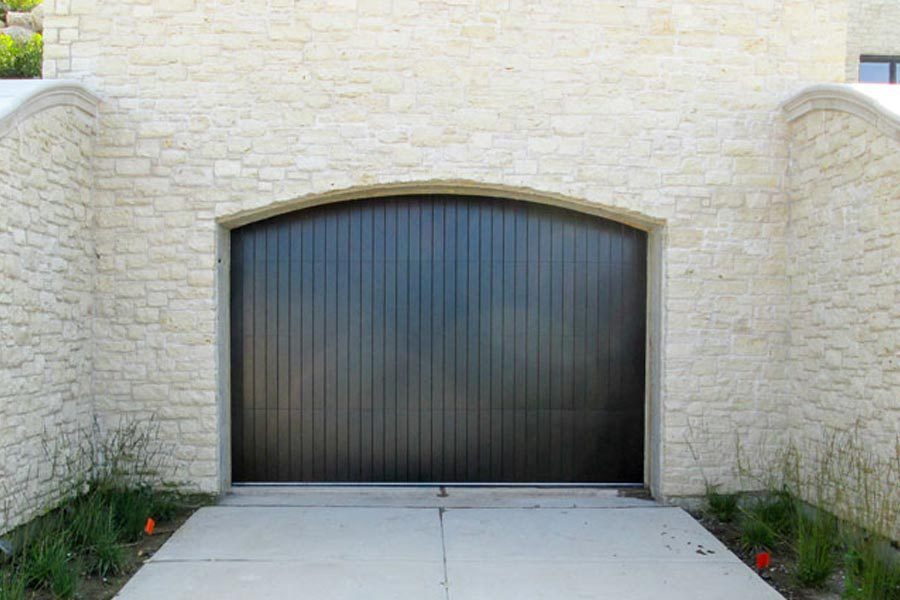
Oversized Vehicles or Equipment
Unique Architectural Design
Multi-Use Garages
Frequently Asked Questions about Garage Door Width
How wide is a garage door in the UK?
What is a standard garage door size?
How wide is a garage?
How wide is the opening for a garage door?
What is the radius of a garage door?
Conclusion
End Note
Popular Posts


Contact us today
How Can We Help?
Why choose Patrick Allen Companies? Enjoy attractive benefits and a company culture that lets you thrive.