


BLOGS

The Real Reasons Your Garage Door Won’t Close—and What You Can Do About It
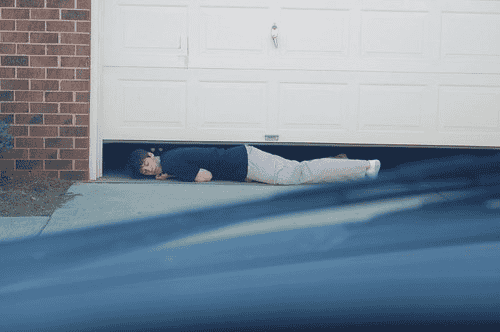
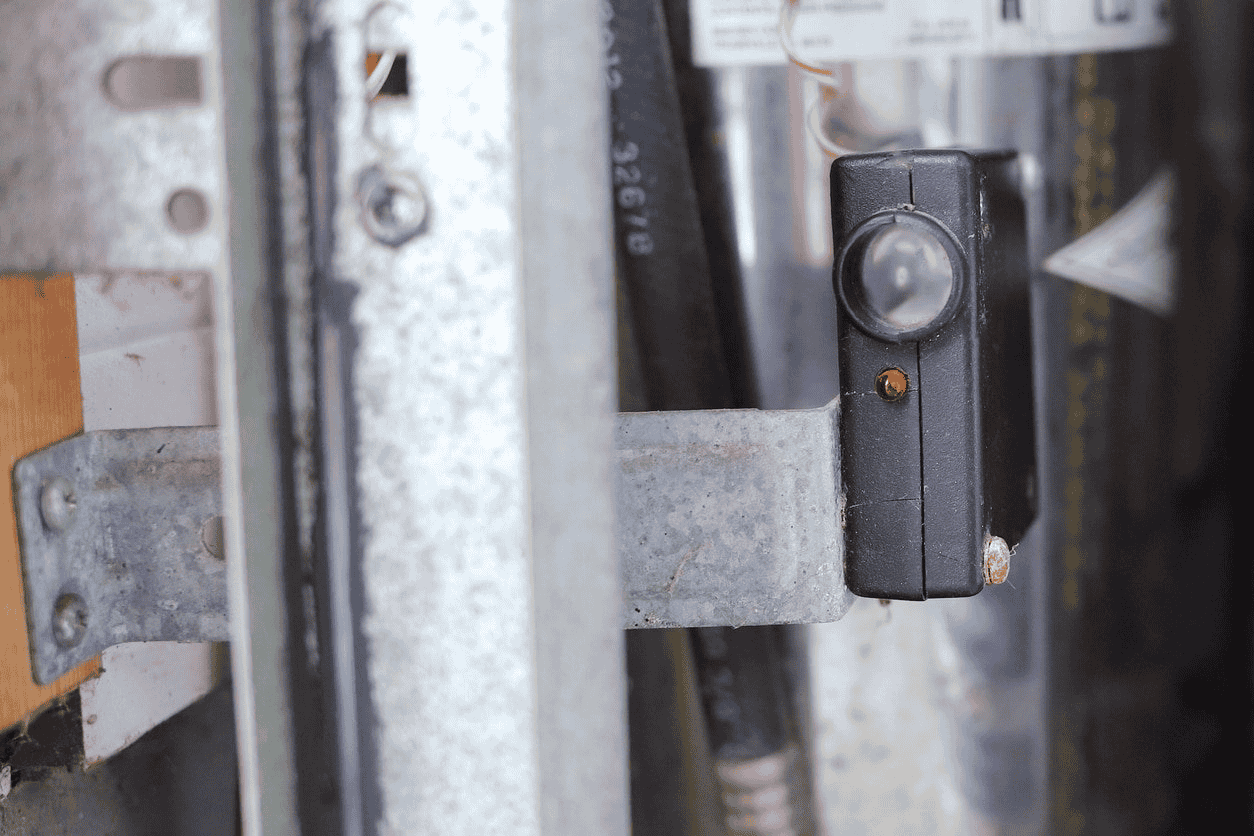
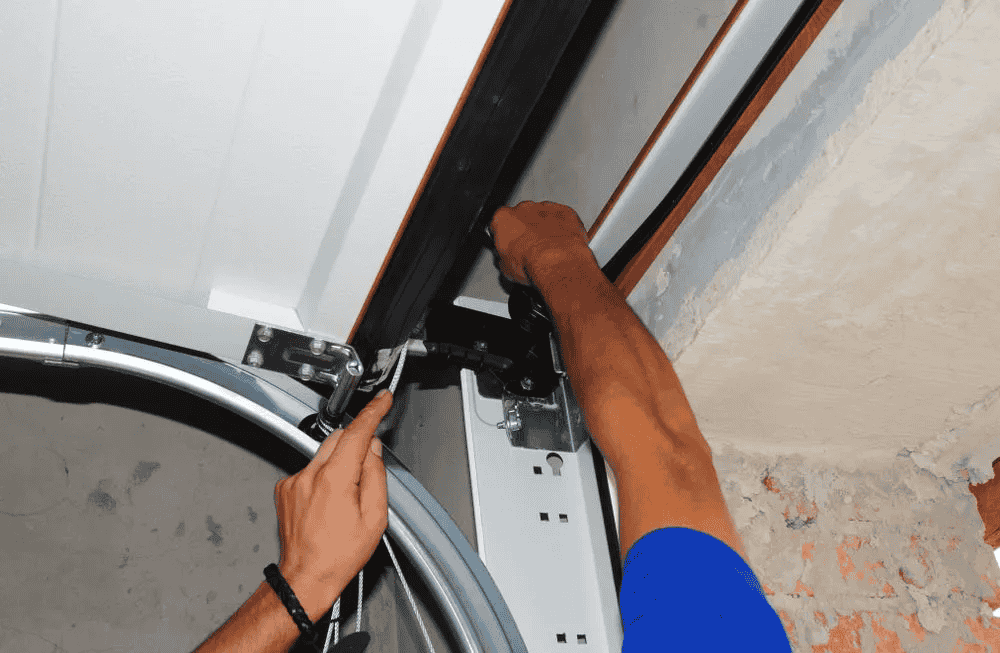
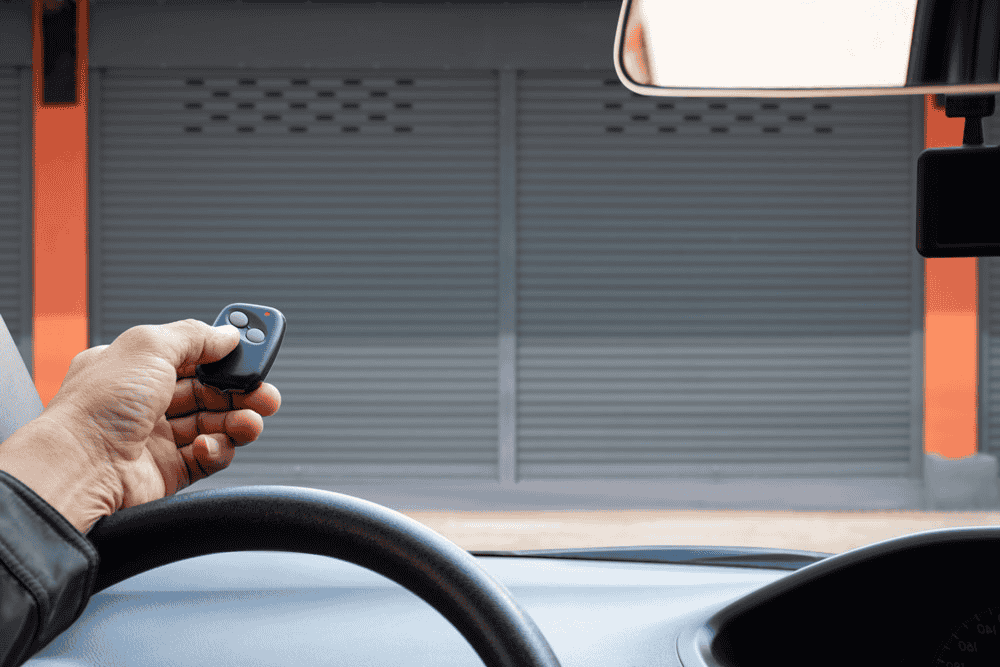
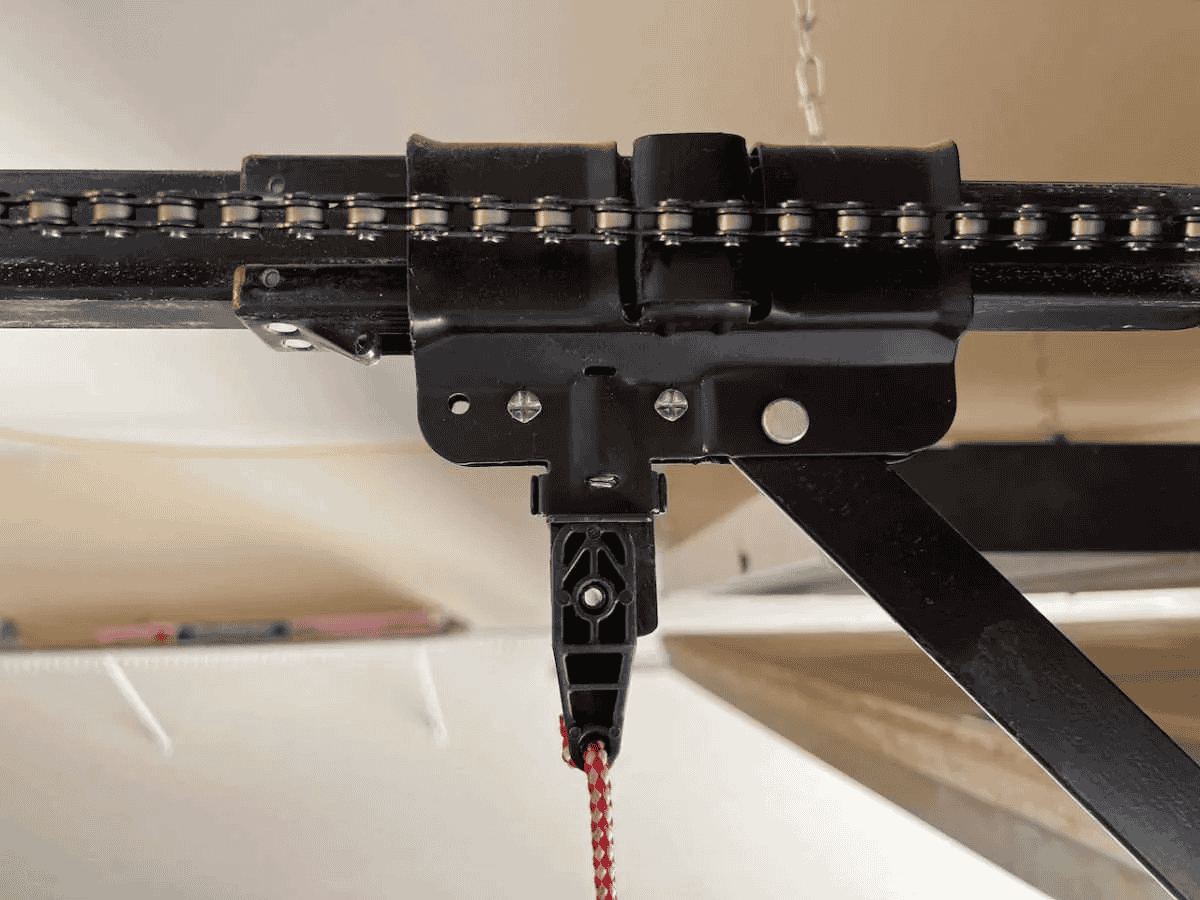
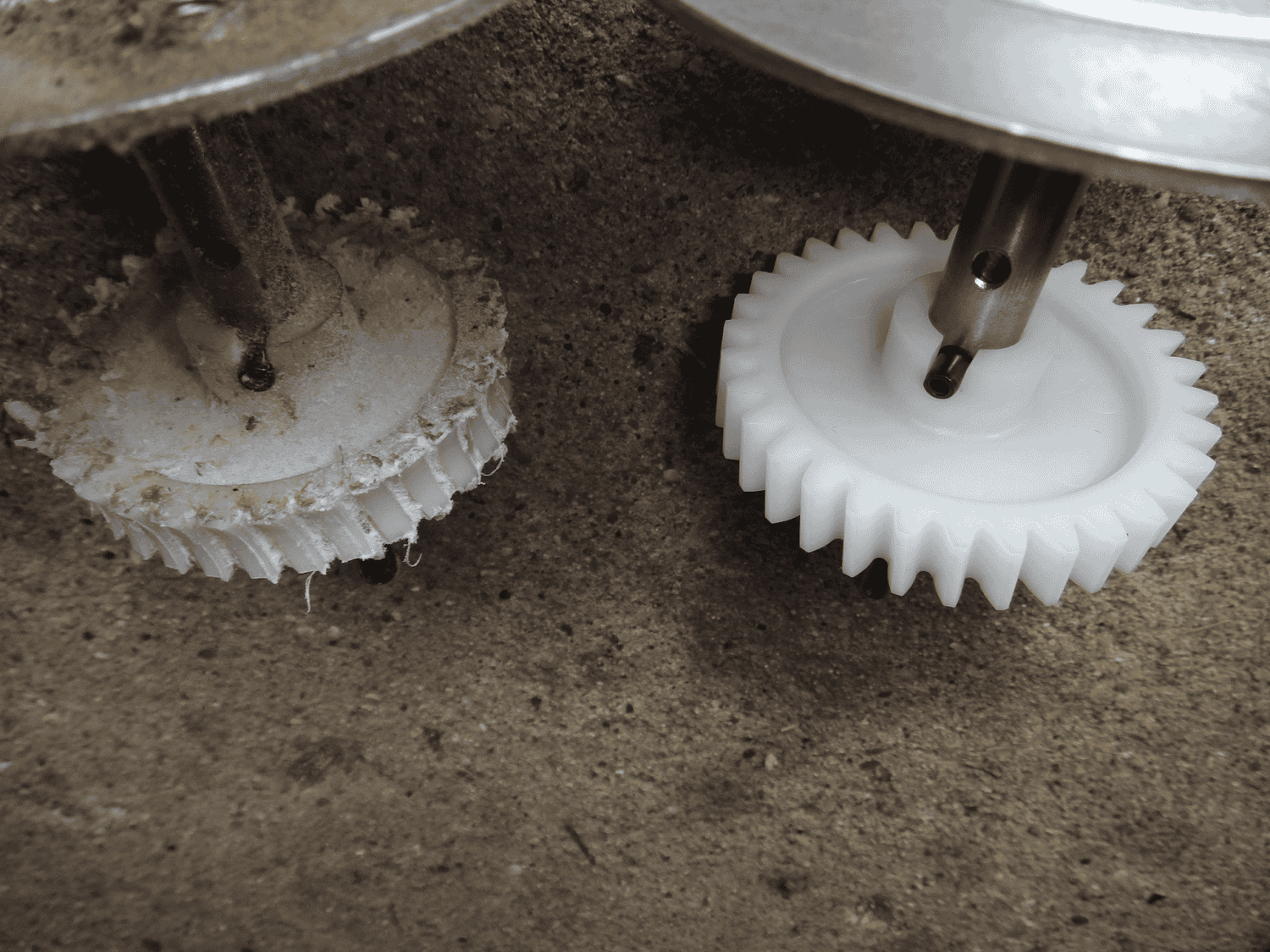
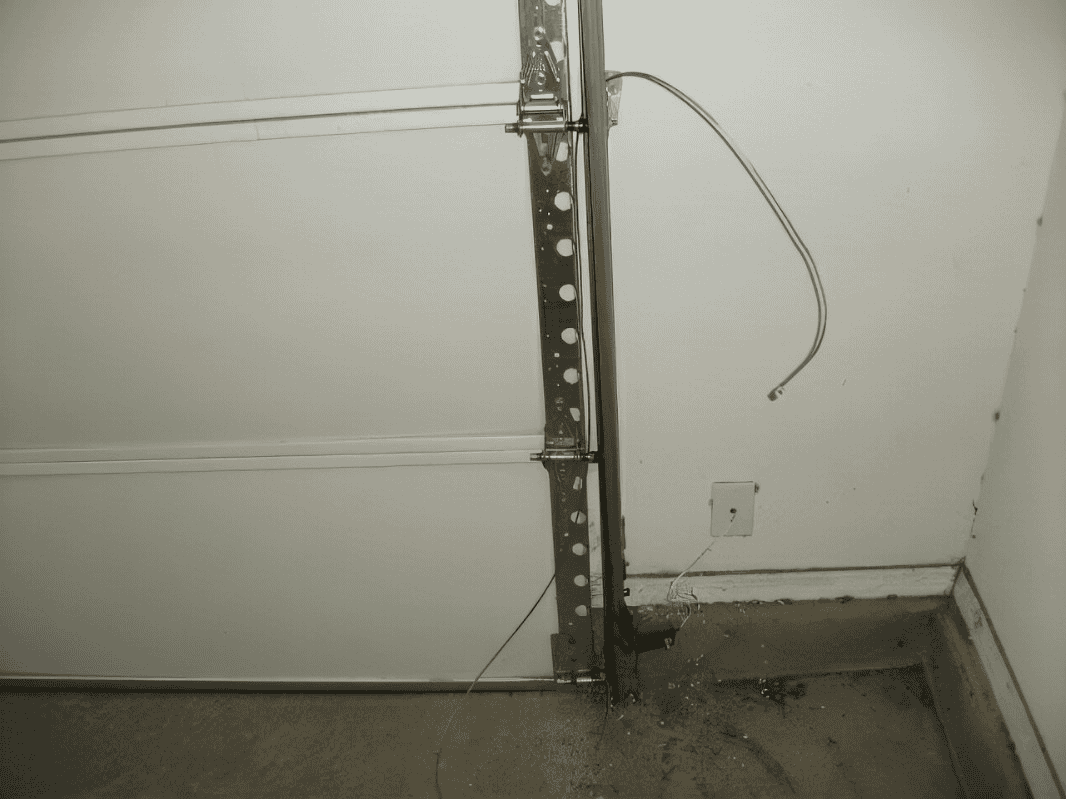
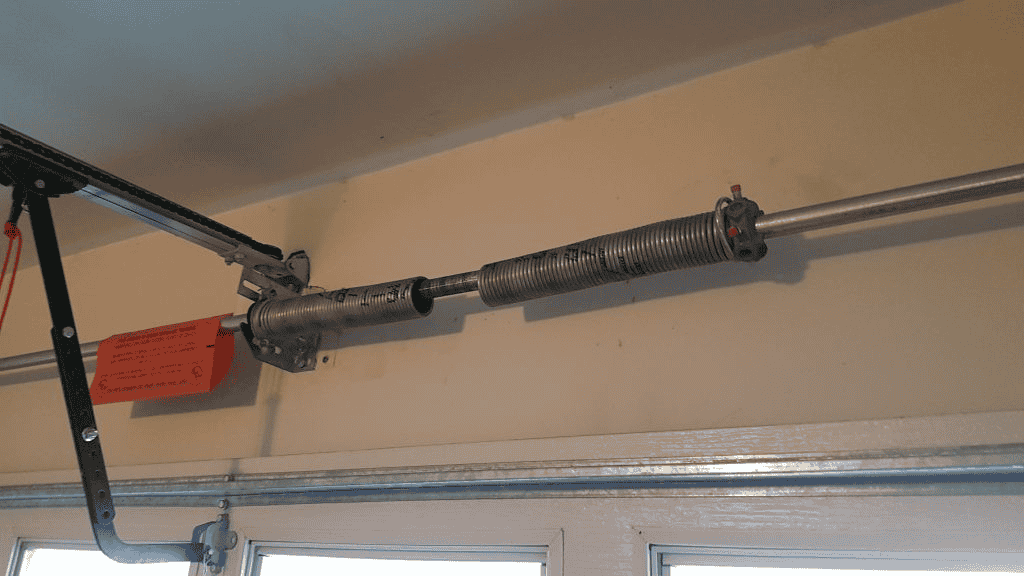
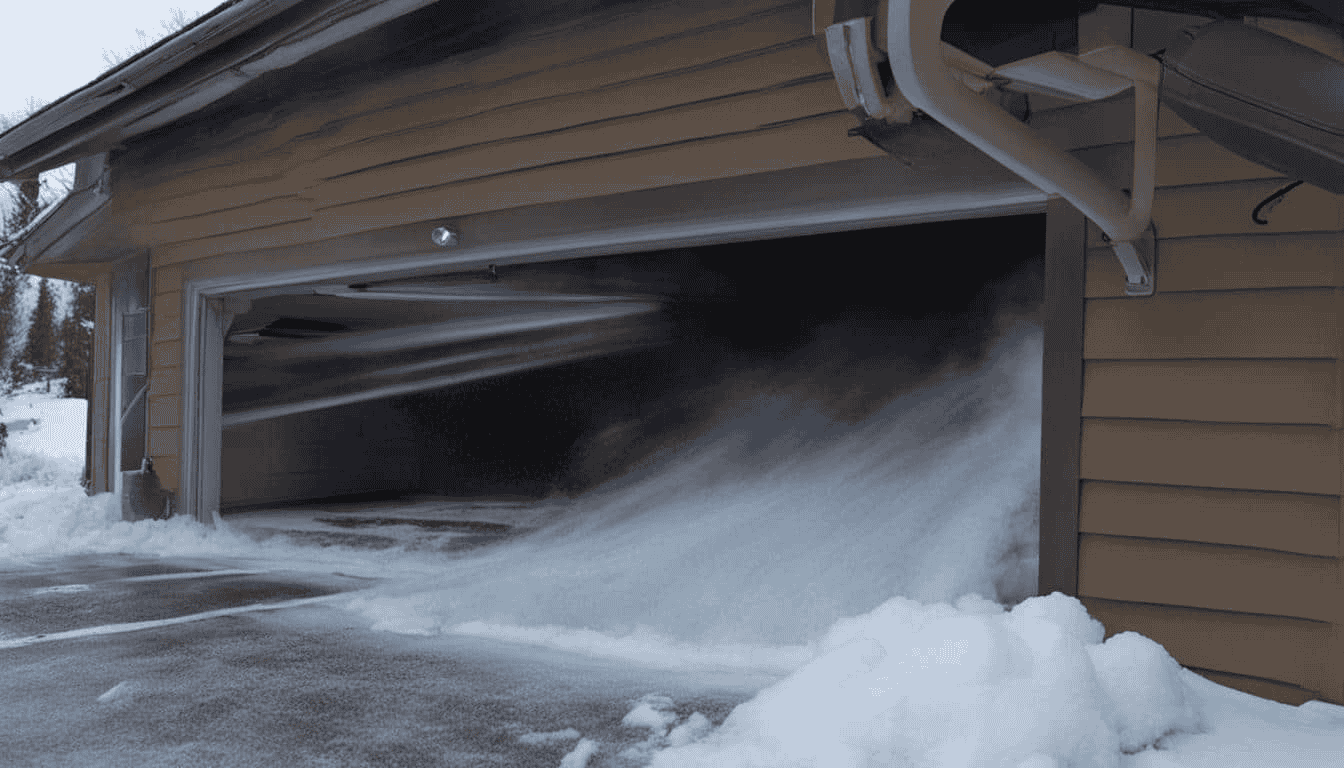
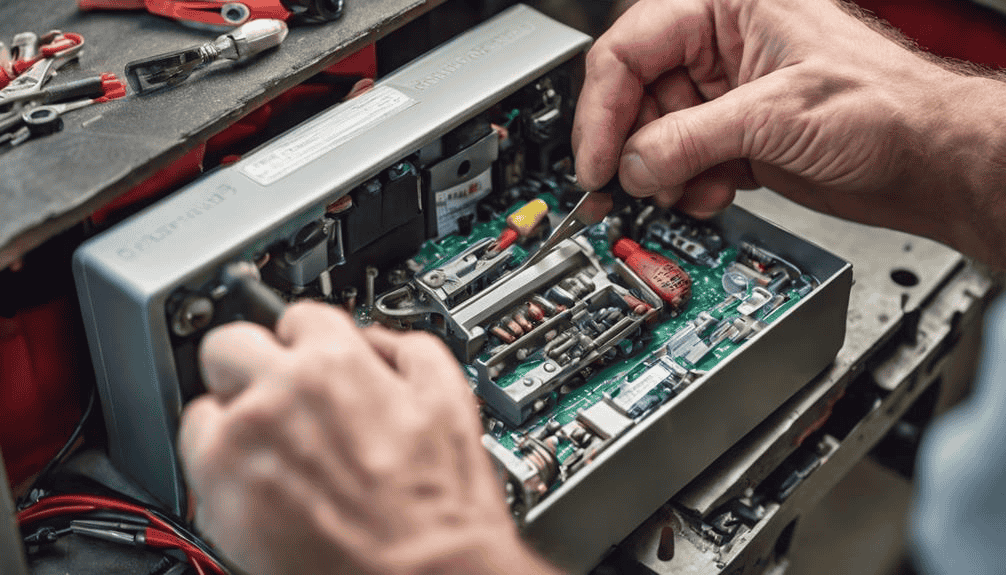
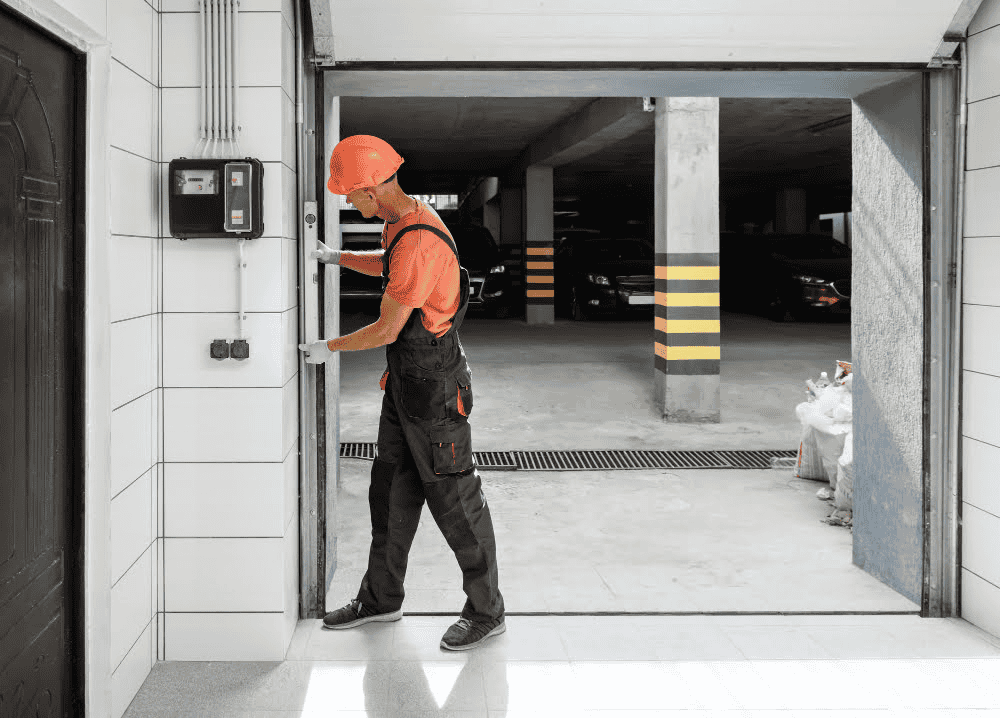
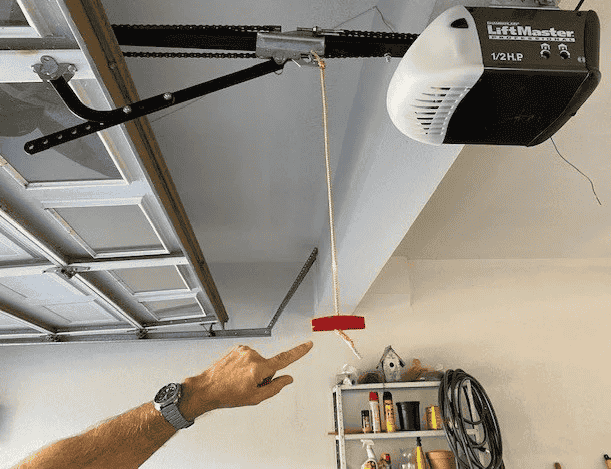
It’s always frustrating when your garage door refuses to close, especially when you’re in a rush or need to secure your home. But most of the time, the solution is simpler than you might think. Several common issues can prevent your garage door from functioning correctly, from obstructions in the door’s path to sensor misalignment. Thankfully, with some troubleshooting, many of these problems can be fixed quickly. This guide covers the most frequent causes behind a malfunctioning garage door, such as track misalignment, dirty sensors, or remote control issues, and provides step-by-step fixes. You’ll also find tips on maintaining your door preventing future breakdowns like worn gears or frayed cables. Keep reading for detailed advice on troubleshooting and maintenance tips to help keep your garage door running smoothly. With a bit of care, you can ensure it works properly for years! Most issues with a garage door refusing to close are straightforward, and with some troubleshooting, you can often get the door working again without professional help. One of the most frequent culprits is an object blocking the garage door’s path. Modern garage doors are equipped with safety features that prevent the door from closing if something is in the way. Inspect the area around the door on the ground and inside the tracks. Common items like garden tools, toys, or small debris can obstruct the door’s movement. Simply removing the obstruction may solve the problem immediately. To avoid this in the future, keep the area around the garage door clear of objects. Regularly inspect and clean the tracks to prevent small debris from accumulating. Garage door sensors play a critical role in preventing accidents. They are located near the floor on both sides of the garage door and can prevent the door from closing if they are misaligned or dirty. First, check if the sensor lenses are dirty and clean them with a soft, dry cloth. Next, ensure both sensors face each other and that the indicator lights on the sensors are steady. If the sensors are misaligned, carefully adjust them until the lights become solid again. To prevent sensor problems, clean the sensor lenses regularly and avoid placing objects near the sensors that could cause misalignment. Additionally, consider upgrading to a more durable sensor system if your sensors seem particularly sensitive or frequently misalign. Tracks and rollers guide your garage door as it opens and closes. The door may not close properly if these components become misaligned or damaged. Inspect the tracks for bends or misalignment. If you notice any, you can use a rubber mallet to tap them back into place gently. Check the rollers as well—if they are worn, cracked, or broken, they may need to be replaced. Lubricate the tracks and rollers to ensure smooth movement. Clean the tracks and lubricate the rollers every few months to perform regular maintenance on your garage door. Keeping the components in good condition will help prevent long-term damage. Sometimes, the issue isn’t with the door but with the remote control. Dead batteries or signal interference could prevent the door from closing. Start by replacing the batteries in your remote. If that doesn’t solve the problem, make sure you’re standing within range of the garage door opener. You can also try reprogramming the remote according to the manufacturer’s instructions. Keep spare batteries available and periodically check the range and functionality of your remote to ensure it’s working properly. If you use a smartphone app to control your garage door, ensure your internet connection is stable. The trolley mechanism connects the door to the opener and can sometimes become disengaged, preventing the garage door from closing properly. Check the trolley to see if it has accidentally become disengaged. Many garage door systems have a manual release cord to disconnect the trolley. Pull the cord to re-engage the trolley and try closing the door again. Avoid pulling the manual release cord unless necessary. Regularly inspect the trolley system to ensure it is securely connected. The gears inside the garage door opener can wear out over time, especially if the door is used frequently. Worn gears can prevent the door from closing fully. If you suspect worn gears, you may need to open the garage door opener housing to inspect them. If the gears are visibly worn or damaged, it’s best to replace the opener or call a professional for repairs. Routine garage door opener maintenance, such as cleaning and lubrication, can extend the life of its internal components. If your opener is several years old, consider replacing it before it completely fails. Cables play a crucial role in the smooth operation of your garage door, working alongside springs to bear the door’s weight. Frayed or broken cables can cause the door to malfunction and prevent it from closing. If the cables are frayed or broken, this repair is best left to professionals. Attempting to replace the cables yourself can be dangerous, as the tension in the springs is extremely high. Inspect the cables during regular garage door maintenance. If you notice any wear or damage, replace them before they snap. Proper lubrication and balancing of the door can also extend the life of the cables. Garage door springs, particularly torsion springs, do most of the heavy lifting when opening and closing the door. If a spring breaks, the door may refuse to close. Broken springs are hazardous to handle and should be repaired by a professional. To prevent further damage or injury, avoid using the garage door until the spring has been replaced. Have a professional inspect the springs annually. Regular maintenance and replacing old springs before they fail can prevent a sudden breakdown. While most garage door issues are easy to diagnose, a few less common causes can prevent your door from closing correctly. In colder climates, the metal components of your garage door may contract, affecting the door’s ability to close. Lubricate the door’s moving parts to reduce friction. In extremely cold temperatures, you may need to increase the opener’s force setting to help the door close properly. Before winter arrives, make sure your garage door is well-lubricated and insulated. If needed, have a professional adjust the force settings on the opener. The logic board in your garage door opener controls the signals and functions of the opener. If the logic board malfunctions, it may prevent the door from closing. If you suspect the logic board is the issue, try unplugging the opener for a minute and plugging it back in to reset the system. If the problem persists, a professional may need to replace it. Power surges can damage the logic board, so consider using a surge protector for your garage door opener. Regular maintenance can also help prevent logic board failure. The travel limits on your garage door opener determine how far the door moves during opening and closing. If the limits are set incorrectly, the door may not close. Consult the user manual for your garage door opener to adjust the travel limits. Most openers have dials or switches that allow you to change the settings. After installing a new garage door opener or adjusting the door, double-check the travel limit settings to ensure the door opens and closes correctly. The emergency release cord is designed to disengage the door from the opener, allowing manual operation. If the cord has been pulled, the door won’t close automatically. Pull the emergency release cord again to re-engage the door with the opener. Afterward, try closing the door with the automatic opener. Avoid pulling the release cord unless necessary, and ensure it is securely fastened to avoid accidental disconnection. Many garage doors have a manual lock feature that can be accidentally engaged, preventing the door from closing. Check the inside of the garage door for a manual lock. If it’s engaged, simply unlock it and close the door again. To prevent accidental use, be mindful when using the manual lock and educate all household members on its function. If the power to your garage door opener is interrupted, the door won’t close. Check whether the opener is plugged in or a circuit breaker has tripped. Restore power and try closing the door again. If your garage door opener frequently loses power, you should invest in a backup battery system or have an electrician check the wiring during a garage door repair. If your garage door won’t work with the button, the issue could be related to a malfunctioning remote, dead batteries, a faulty wall switch, or wiring issues. Double-check the power source and remote settings. If these are fine, the opener system may need inspection. Pull the emergency release cord to reconnect it to the opener to re-engage your garage door after manual operation. You may need to move the door slightly until you hear it click back into place. Then, use the opener to test if the door functions correctly. To resync a garage door, press the “learn” or “program” button on the opener motor and then press the button on the remote control. This process will reprogram the remote to communicate with the opener system. Follow the manufacturer’s instructions for specific syncing steps. Unplugging a garage door opener will reset the system but won’t erase programmed remotes or settings. If you’re troubleshooting, leave the opener unplugged for 30 seconds to one minute, then plug it back in and test the door’s operation. Yes, garage door openers may need to reset if they malfunction or after a power outage. To reset, locate the “learn” button on the motor, press it, and then reprogram the remotes following the manufacturer’s guidelines. A garage door that won’t close often results from a straightforward issue, such as an obstruction in the door’s path, sensor misalignment, or a malfunctioning remote. However, serious problems like broken springs, frayed cables, or worn gears may require professional attention. Regular maintenance is vital to preventing many of these issues from arising in the first place. You can ensure that your new garage door operates smoothly for years by staying proactive with inspections, cleaning, and lubrication. If you ever feel unsure about handling repairs, don’t hesitate to call a local expert for assistance. At Patrick Allen Companies, we understand how frustrating it can be when your garage door won’t close. Whether it’s a simple sensor misalignment or a more serious issue like worn-out gears, our team is ready to help with expert residential service and repair. We don’t just stop at garage doors either—our services extend to replacement windows, shower doors, and more, ensuring your home is always in top shape. For commercial needs, we offer everything from overhead doors to loading dock equipment, fire doors, and more to keep your business running smoothly. Visit our blog for helpful tips, or reach out to us through our contact page for personalized support. Discover more about our company on our about page, or check out our career opportunities if you’re looking to join our team. We’re here to assist with all your residential needs here and commercial services here.
Common Reasons Why a Garage Door Won’t Close
1. Obstruction in the Door’s Path
Quick Fix:
Prevention Tip:
2. Sensor Misalignment or Malfunction
Quick Fix:
Prevention Tip:
3. Track or Roller Issues
Quick Fix:
Prevention Tip:
4. Remote Control Malfunction
Quick Fix:
Prevention Tip:
5. Trolley Disengagement
Quick Fix:
Prevention Tip:
6. Worn-out Gears in the Opener
Quick Fix:
Prevention Tip:
7. Broken or Frayed Cables
Quick Fix:
Prevention Tip:
8. Spring Problems
Quick Fix:
Prevention Tip:
Uncommon Reasons Why the Garage Door Won’t Stay Closed
9. Cold Weather Effects
Quick Fix:
Prevention Tip:
10. Malfunctioning Logic Board
Quick Fix:
Prevention Tip:
11. Incorrect Travel Limits and Force Settings
Quick Fix:
Prevention Tip:
12. Disconnected Emergency Release Cord
Quick Fix:
Prevention Tip:
13. Manual Lock Engaged
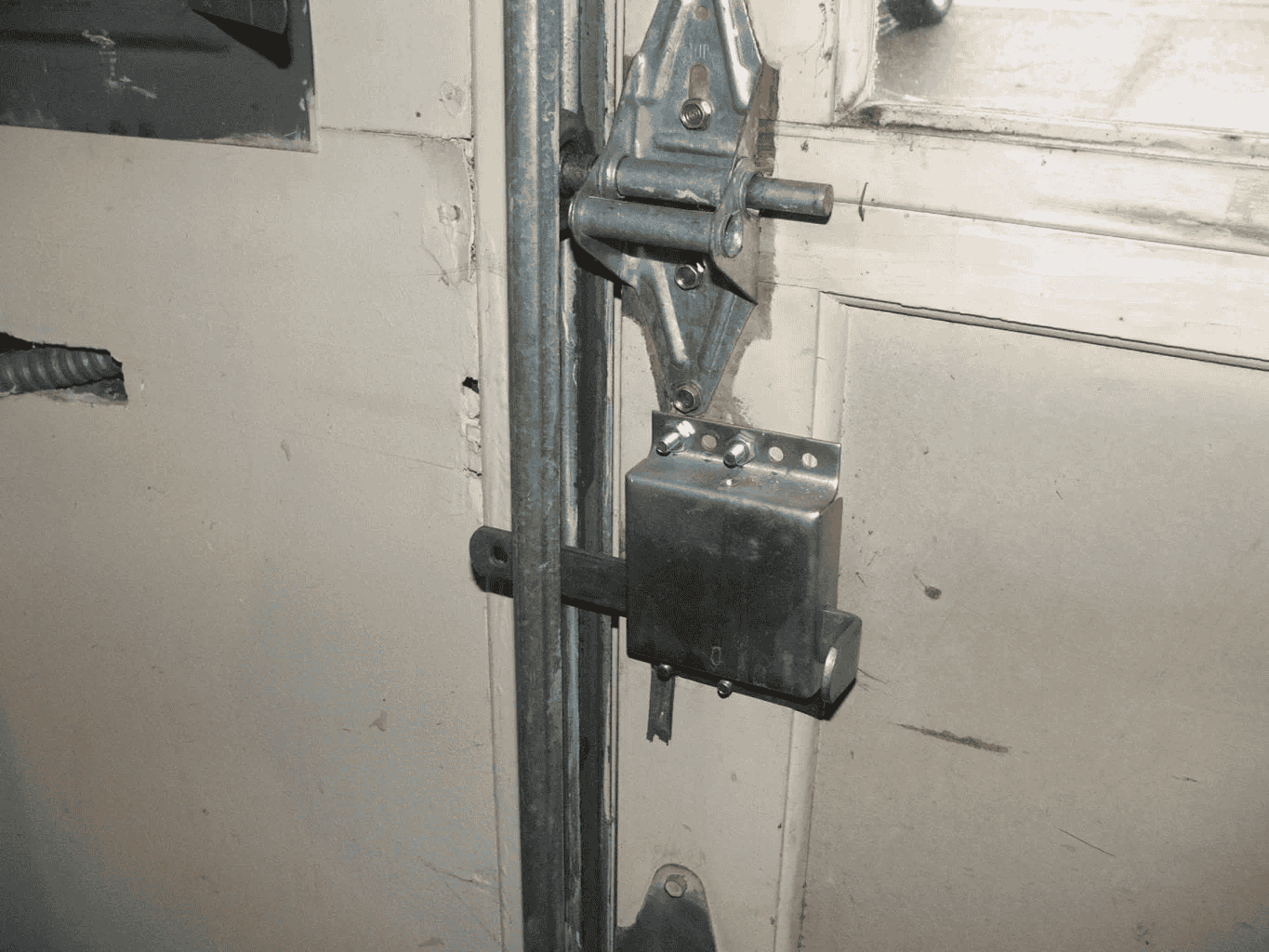
Quick Fix:
Prevention Tip:
14. Power Source Issues
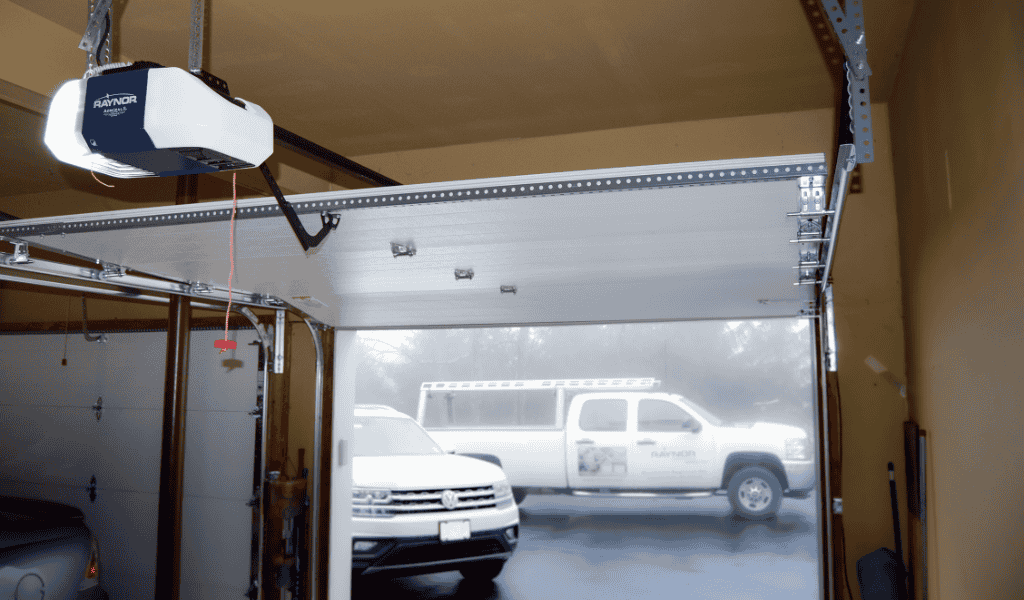
Quick Fix:
Prevention Tip:
Frequently Asked Questions (faqs)
Why Is My Garage Door Not Working with the Button?
How to Engage a Garage Door Again?
How Do You Resync a Garage Door?
Will Unplugging a Garage Door Opener Reset It?
Do Garage Door Openers Need to Be Reset?
The Bottom Line: Stay Ahead of Garage Door Problems
End Note
Popular Posts


Contact us today
How Can We Help?
Why choose Patrick Allen Companies? Enjoy attractive benefits and a company culture that lets you thrive.