


BLOGS

Garage Door Opener Installation Made Easy in Meridian, MS: DIY or Professional?
Find out whether DIY or professional garage door opener installation is right for you. Compare processes and benefits in Meridian, MS. Installing a garage door opener is more than a convenience upgrade; it’s a crucial step for ensuring your garage door system’s safety, functionality, and longevity. Proper installation enhances performance and minimizes risks such as accidents or mechanical failure. While the process might seem daunting initially, breaking it down into manageable steps makes it accessible for DIY enthusiasts and professionals. This guide provides a detailed roadmap to help you install a garage door opener confidently and correctly. Before purchasing a garage door opener, confirm it is compatible with your door type. Consider the weight, material, and size of your door. For instance, heavier doors made of solid wood might require an opener with a more powerful motor, such as a 1.25 HP unit. Lighter aluminum doors may function well with less robust systems. Some garage doors also have unique configurations, such as high-lift systems or custom tracks. Make sure the opener you choose accommodates these special setups. A well-prepared workspace saves time and frustration during installation. Gather the following tools and materials: Having everything on hand ensures a smooth process from start to finish. Safety should be your top priority when working with heavy garage doors and electrical components. To avoid accidental shocks, disconnect the power to your garage. Keep the door in a closed position to prevent unexpected movements during installation. Wear protective gear, including gloves and safety glasses, especially when handling tools or assembling heavy components. Ensure your work area is clear of obstructions, pets, and children to maintain a safe environment. Most garage door openers come with a detailed assembly manual. Begin by laying out all parts and identifying each component. Assemble the rail and attach it to the motor unit, ensuring a secure connection. The trolley, which moves along the rail, should slide freely without resistance. Follow the manufacturer’s instructions for attaching the drive system, whether it’s a chain, belt, or screw drive. Tighten all bolts and screws to ensure stability during operation. Secure the mounting bracket to the ceiling joists using heavy-duty lag screws. The bracket must be centered above the garage door to maintain alignment. Use a level to verify that the rail is perfectly straight once attached to the bracket. Connect the rail to the door’s header bracket and attach the trolley arm to the garage door. This connection is critical for smooth door movement, so double-check the alignment and stability. Position the safety sensors on either side of the door, approximately 6 inches above the ground. These sensors are vital for detecting obstructions and preventing accidents. Run the wires along the wall and connect them to the motor unit. Follow the wiring diagram provided in your opener’s manual. Secure the wires with staples or clips to prevent them from dangling or getting damaged. Once the sensors and motor are wired, connect the motor to a power source, but avoid activating it until all components are securely in place. Integrating the Wi-Fi module during installation is essential for modern smart garage door openers. Connect the opener to your home network and download the accompanying remote control and monitoring app. To avoid connectivity issues, ensure the Wi-Fi signal is strong in the garage. Place the antenna where it can receive clear signals, away from metal objects that might cause interference. Not all garages have ideal layouts. Uneven ceilings or beams can complicate the installation process. Use adjustable brackets to account for height differences and ensure the rail stays level. Consider low-profile mounting options or extension kits for garages with minimal clearance above the door. These solutions provide the necessary flexibility to accommodate unconventional setups. The auto-reverse feature is one of a garage door opener’s most critical safety mechanisms. Place a small object in the door’s path and activate the opener to test it. If the door doesn’t reverse immediately upon contact, adjust the force settings outlined in the manual. Regular testing ensures that this feature remains functional and prevents potential accidents. An imbalanced garage door can strain the opener and lead to premature wear. Disconnect the opener and manually lift the door halfway. If it stays in place, the balance is correct. Adjust the door’s tension springs if it falls or rises on its own. Run the door through several cycles, listening for unusual noises or resistance. Tighten any loose bolts or screws and lubricate the moving parts for smoother operation. While many homeowners can install a garage door opener successfully, certain situations require professional expertise. Examples include: If you encounter these complexities, it is better to enlist a professional to avoid risks and ensure the opener functions correctly. Hiring a professional not only saves time but also offers additional advantages. Many installation services provide warranties, ensuring that your opener remains covered in case of defects or malfunctions. Professionals are also well-versed in local safety regulations, guaranteeing compliance. Their expertise minimizes the chances of errors that might compromise the opener’s performance over time. If your garage door opener lacks smart technology, retrofitting it with a smart controller can provide modern features like smartphone control, remote monitoring, and integration with voice assistants like Amazon Alexa or Google Home. Geofencing capabilities enable automatic door operation based on location, making daily use even more convenient. Integrating external cameras and motion-sensor lighting can strengthen your garage’s security. Cameras allow you to monitor garage activity remotely, while motion-sensor lights deter intruders and improve visibility. Pairing these features with a smart opener ensures comprehensive protection and ease of use. Enhance your garage’s energy efficiency by insulating the door to reduce temperature fluctuations and switching to LED lighting for lower energy consumption and longer lifespan. These upgrades make your garage more comfortable and environmentally friendly while cutting utility costs. Install overhead racks or wall-mounted storage systems to take advantage of freed-up ceiling space with wall-mounted openers. Better organization keeps your garage neat and prevents items from obstructing the door opener’s operation, ensuring safety and efficiency. Regular maintenance, including cleaning sensors, lubricating moving parts, and testing safety features, is essential for the long-term performance of your garage door opener. For smart systems, keeping firmware updated ensures the system operates securely and efficiently with access to the latest features. Setting a garage door opener includes adjusting the open and close travel limits, programming remotes, and adjusting force settings. Consult your model’s user manual to locate adjustment screws or control buttons, ensuring your door operates safely and smoothly within its tracks. Depending on the brand, features, and type, a new garage door opener typically costs between $150 and $400. Basic chain-drive models are less expensive, while smart and belt-drive openers with added quiet features may cost more for enhanced convenience. While basic garage door openers are designed for DIY installation, the process requires precision and can take several hours. Most units come with detailed instructions. Professional installation is advisable for complex or heavy-duty openers to ensure safety and proper function. Modern garage door openers often have compatibility options with various controllers or universal remotes, though not all brands are interchangeable. Consider universal adapters for added connectivity across multiple brands if your brand isn’t directly compatible. Electricians can install garage door openers, particularly when electrical wiring or a dedicated outlet is required. Electricians may also provide specialized services for high-end or commercial-grade models that require intricate setups or advanced safety features. Installing a garage door opener is a rewarding project that improves the convenience and security of your home. This comprehensive guide will help you navigate each step with confidence and ensure a hassle-free experience. Attention to detail is key in everything from preparation and assembly to advanced considerations and safety checks. If challenges arise, don’t hesitate to consult a professional to protect your investment. With the right approach, your new garage door opener will deliver reliable performance and peace of mind for years. Installing a garage door opener requires precision and expertise, and at Patrick Allen Companies, we bring both to every project. Whether you’re upgrading your home with a sleek new system or outfitting a commercial space with robust equipment, our team ensures a smooth and hassle-free installation process. We help you find the perfect solution, from smart openers to traditional models. Visit our website to learn about our installation services and more. Browse our blog for tips on keeping your doors in top condition, or connect with us through our contact page. Curious about our offerings? Check out our commercial services, including fire doors and glass solutions, or our residential expertise in shower doors and repairs. At Patrick Allen Companies, we’re committed to quality and customer satisfaction—learn more about us today!
Preparing for Installation
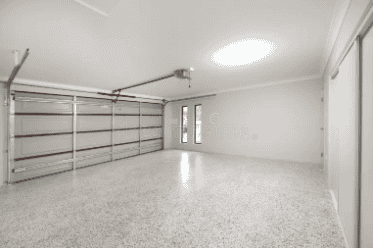
Reviewing Your Garage Door Type and Compatibility
Tools and Materials Checklist
Key Safety Measures to Prioritize
The Installation Process Explained
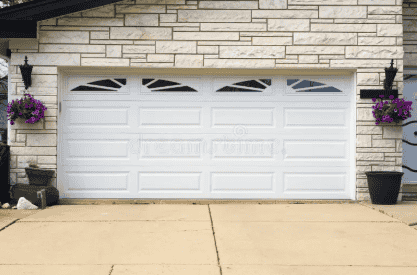
Assembling the Opener Components
Attaching the Mounting Bracket and Aligning the Rail
Wiring the Sensors and Motor Unit
Advanced Installation Considerations
Integrating Smart Opener Systems During Setup
Managing Uneven Ceilings or Tricky Layouts
Post-installation Checks and Adjustments
Testing Auto-reverse Functionality
Ensuring Proper Door Balance and Smooth Movement
When to Call a Professional
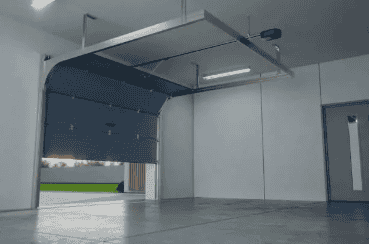
Situations That Might Need Expert Intervention
Benefits of Professional Installations
Enhancing Your Garage Door System Beyond Installation
Upgrading to Smart Features
Adding Security Enhancements
Improving Energy Efficiency
Organizing and Optimizing Garage Space
Routine Maintenance for Longevity
Frequently Asked Questions (faqs)
How to Set a Garage Door Opener?
How Much Is a New Garage Opener?
Is a Garage Door Easy to Install?
Can You Connect Any Garage Door Opener?
Can an Electrician Install a Garage Door Opener?
Wrapping Up
End Note
Popular Posts


Contact us today
How Can We Help?
Why choose Patrick Allen Companies? Enjoy attractive benefits and a company culture that lets you thrive.