


BLOGS

Mechanical vs. Hydraulic Dock Levelers: Which One is Better?
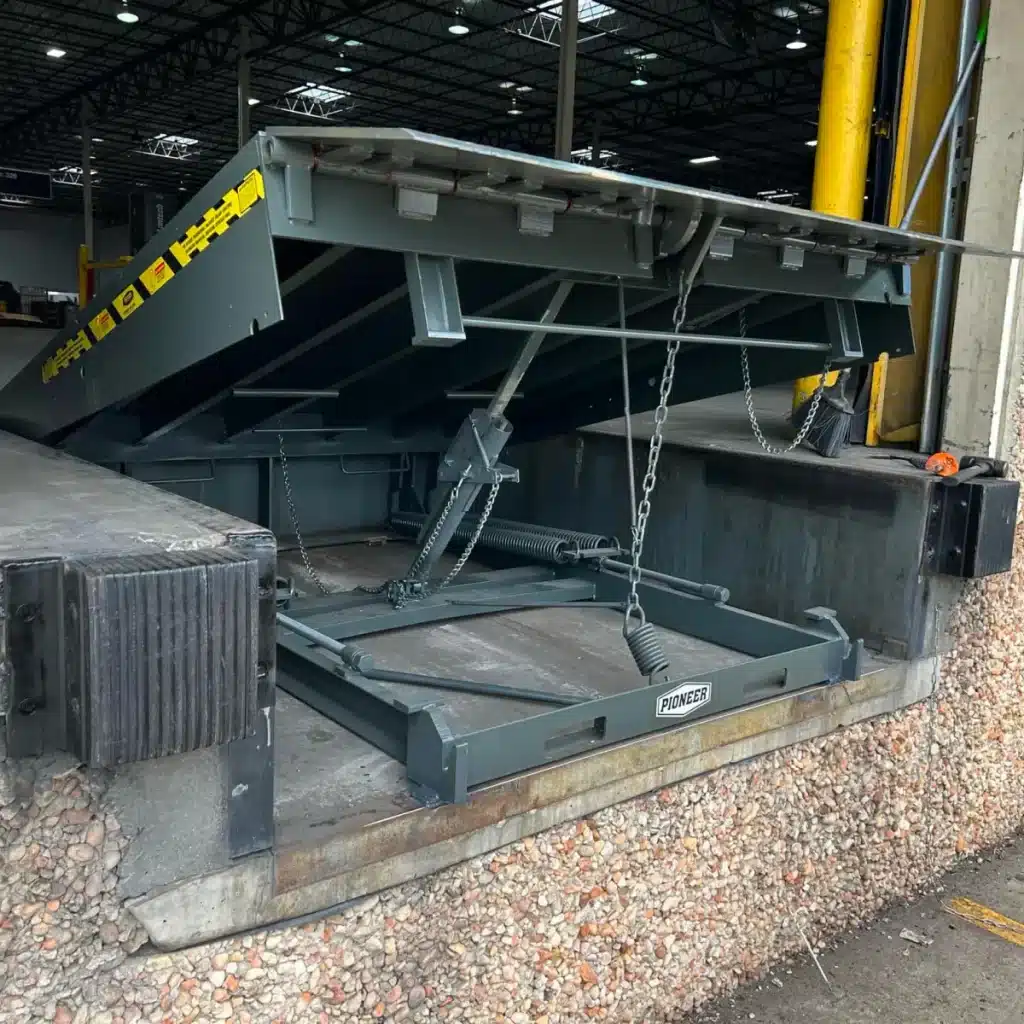
Choosing the right dock leveler can make or break your warehouse operations. If your team deals with heavy traffic or tight deadlines, even small delays or safety risks can lead to major problems. That’s why it’s important to choose the right solution upfront. Mechanical vs. Hydraulic Dock Levelers is a standard comparison, and for a good reason. These two types serve the same function but operate differently, with distinct pros and cons. From cost to ease of use, your decision depends on what matters most to your facility. In this guide, we’ll break down both options. You’ll discover which leveler type works best for your workflow, budget, and safety standards. Read on to find the dock leveler that fits your business and supports long-term success. Dock levelers make loading and unloading much safer by filling the space between the dock and the truck. This creates a smooth path for workers and forklifts to move goods without slips, bumps, or danger. The most common choices are mechanical and hydraulic models. They do the same job but in different ways. One uses manual effort, while the other uses power. Choosing the right one depends on how often you load, your budget, and how easy you want the system to be. Understanding the difference between Mechanical vs. Hydraulic Dock Levelers helps you decide what fits your needs best. The right choice can save time, reduce accidents, and make daily work easier for your whole team. Mechanical dock levelers rely on manual or spring-assisted mechanisms to raise and lower the platform. They typically use a combination of springs, levers, and counterweights to adjust the height. Hydraulic dock levelers use fluid pressure to raise and lower the platform. A hydraulic pump powers the system, making adjustments smooth and effortless. To better understand which option suits your needs, let’s compare them across key factors: Mechanical dock levelers are less expensive to purchase, making them a smart option for small businesses. Hydraulic dock levelers cost more upfront, but they give better long-term value through easier operation, less physical work, and more reliable performance for busy loading areas. Mechanical dock levelers have fewer parts, so they break less often and are easy to maintain. Hydraulic models are durable but require regular checks, like fluid levels and seal replacements, to keep them running smoothly and avoid costly problems later on. Hydraulic dock levelers work faster and more smoothly, which helps speed up loading and unloading. This makes them ideal for busy warehouses. Mechanical levelers are slower and take more effort, but they still work well in places with lighter traffic. Hydraulic dock levelers are easier to use and reduce physical work, which helps keep workers safe. They lower the chance of injuries. Mechanical ones are safe too if used properly, but they can require more strength and effort during daily use. Hydraulic dock levelers can handle heavier loads without trouble, making them great for big trucks and heavy equipment. Mechanical levelers are better for lighter jobs and smaller deliveries where high weight capacity isn’t needed all the time. To help clarify which type of dock leveler is better suited for different needs, here’s a breakdown based on facility type: Mechanical dock levelers are a good fit for small buildings like retail shops or small warehouses. These places don’t have many shipments, so a manual system works fine. They’re easy to use, cost less, and help workers load safely every day. Hydraulic dock levelers are better suited for large facilities like factories or large warehouses. These locations need quick and safe loading all day long. The automatic system saves time, keeps workers safe, and can handle a lot of heavy-duty loading tasks without problems. Cold storage places need dock levelers that work in low temperatures. Hydraulic levelers are perfect because they keep working smoothly in the cold. They also help keep the area sealed, which is important for keeping food and frozen goods safe inside. Mechanical dock levelers are a smart choice for companies trying to save money. They cost less upfront and still perform effectively. While they need manual effort, they’re reliable and strong enough for light to medium loading needs. Hydraulic dock levelers are ideal for busy loading zones with high traffic volumes. They work fast, reduce wait time, and help keep workers safe. These levelers are strong, easy to use, and made to handle nonstop loading all day, every day. Making your loading dock safe and fast starts with choosing the right equipment. Mechanical vs. Hydraulic Dock Levelers each have their own strengths. Choosing the right one can help avoid delays, lower risks, and keep your team moving. Doorways offers smart dock leveler solutions that match your space, budget, and daily work. We help you choose what works best for your business. With the right setup, your loading area can stay safe and run smoothly every day. Ready to get started? Contact us for free estimates and let our team help you choose the best dock leveler for your needs. We’re here to make things easy and reliable. Dock levelers can last 10 to 20 years, depending on usage, maintenance, and load capacity. Regularly checking, cleaning, and changing parts can help them last longer. Heavy-duty or high-traffic applications may reduce this time if not properly maintained or serviced. No, dock levelers should not always be extended. They should only be extended when loading or unloading a truck. Keeping them retracted when not in use helps prevent wear, reduces safety risks, and keeps the loading dock area clear and secure. Hydraulic dock levelers work with fluid power and move easily with the push of a button. Mechanical dock levelers use springs and require manual activation with a pull chain. Hydraulic types offer easier use and lower maintenance, while mechanical options are more affordable but need more physical effort. Mechanical dock levelers don’t use any electrical power. They rely on a system of springs and manual effort to operate. This makes them ideal for basic setups, but they can be harder to use and need more regular mechanical upkeep than powered systems. Hydraulic dock levelers are ideal for frequent use due to their strength, smooth operation, and minimal upkeep requirements. Pneumatic levelers use air power, offering a cleaner system with fewer fluids, but may not handle heavy loads as efficiently as hydraulic options. Improve your loading dock setup by learning the differences between Mechanical vs. Hydraulic Dock Levelers. Doorways provides strong, reliable dock equipment made for long-term use and smooth operation. Visit our homepage or view our full range of dock equipment solutions. Helpful tips and simple guides are available on our blog, making it easier to understand and manage your equipment. For quick updates and useful info, follow us on Facebook and stay connected with our team and services. Get the right solution for your business with expert help from our team. Use the contact form to reach out and get a free quote. We’re ready to guide you through every step and make your dock safer and more efficient.
What Are Dock Levelers and How Do They Work?
How Mechanical Dock Levelers Work
Pros of Mechanical Dock Levelers
Cons of Mechanical Dock Levelers
How Hydraulic Dock Levelers Work
Pros of Hydraulic Dock Levelers
Cons of Hydraulic Dock Levelers
Mechanical vs. Hydraulic Dock Levelers: What’s the Difference?
1. Cost Comparison
2. Durability and Maintenance Needs
3. Performance and Efficiency
4. Safety Considerations
5. Load Capacity
Which Dock Leveler Is Right for You?
1. Small Buildings
2. Big Workplaces
3. Cold Storage
4. Saving Money
5. Busy Loading Areas
Conclusion
Frequently Asked Questions
How Long Do Dock Levelers Last?
Should Dock Levelers Always Be Extended?
What Is the Difference Between Hydraulic and Mechanical Dock Levelers?
Do Mechanical Dock Levelers Require Power?
Which One Is Better, Pneumatic or Hydraulic?
End Note
Popular Posts


Contact us today
How Can We Help?
Why choose Patrick Allen Companies? Enjoy attractive benefits and a company culture that lets you thrive.